
Augmented Reality and the Transformation of Professional Training: Knowledge, Skills and Human Potential in the Evolving World of Work
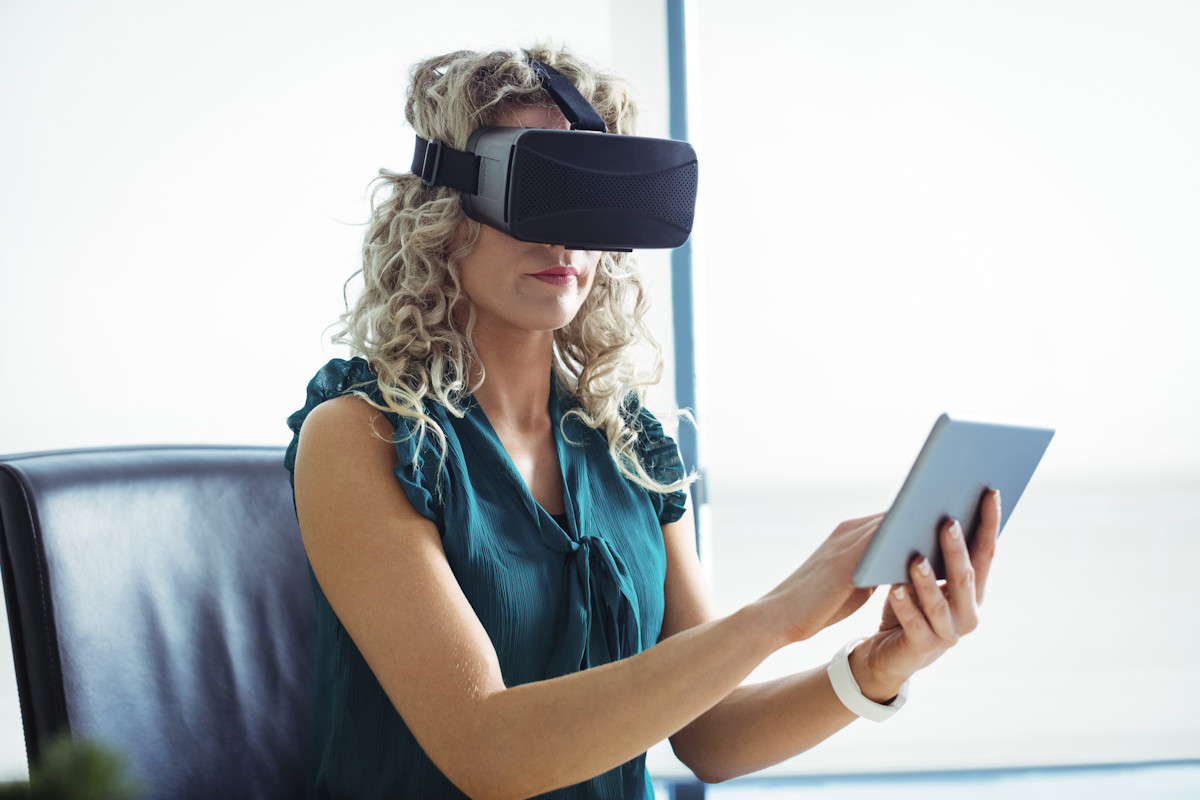
Over the past decade, the world of work has undergone profound transformations. The spread of digital technologies, automation, artificial intelligence, hybrid work models, and increasing global interconnectivity have reshaped professional roles, organizational structures, and the skill systems required. In this context, traditional models of professional training—often based on theoretical, standardized, and sequential approaches—struggle to keep pace with the rapid evolution of industrial, technical, and social needs. The change does not only concern the updating of content, but calls into question the very essence of how learning happens, how knowledge is applied, and how competencies are formed.
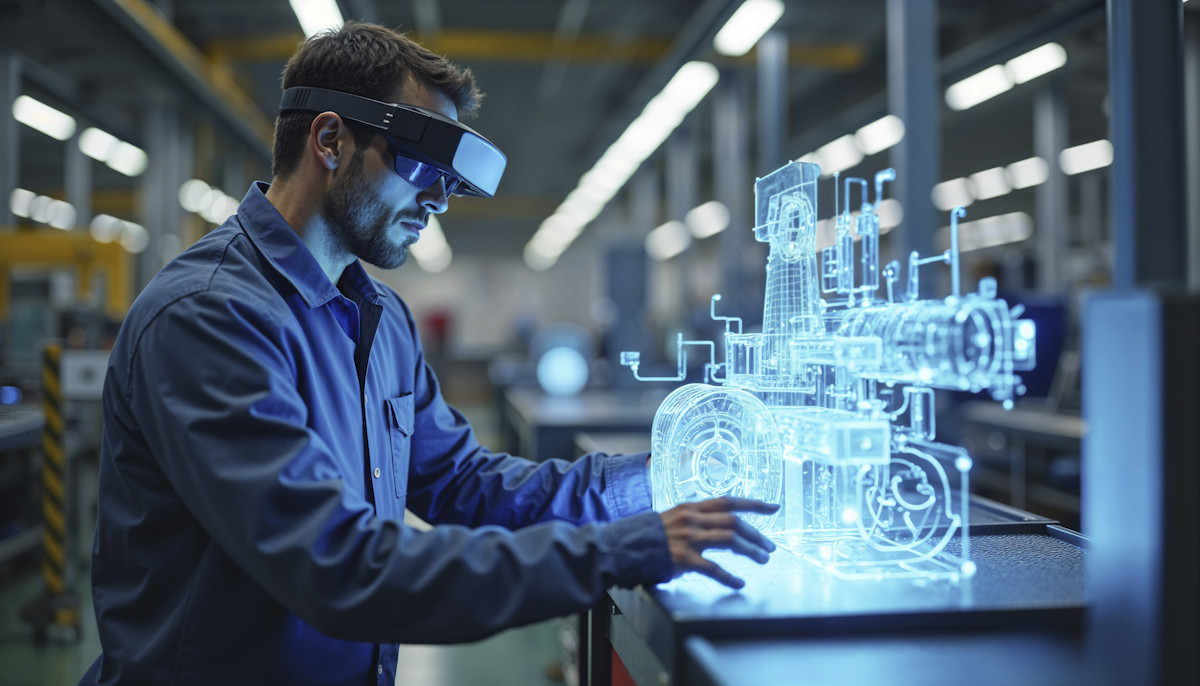
In this scenario, Augmented Reality (AR) is not merely an innovative teaching tool, but a catalyst for rethinking the meaning of learning in the twenty-first century. AR creates an environment in which the physical and digital worlds intertwine, allowing learners to access information, interpretations, analysis, and cognitive support directly within the context of action. It does not replace experience, but enriches it by fostering understanding, interpretation, and awareness.
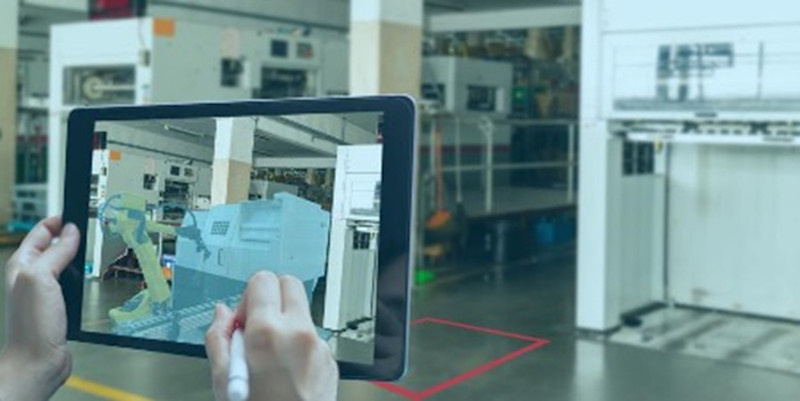
This type of learning modifies not only what is taught, but how knowledge is built. Learning is no longer a simple transfer of information, but becomes a situated, interpretative, and reflective experience. In AR-based training environments, learners are encouraged to ask themselves: Why is this happening? How do the elements interact? What decisions can I make? In this framework, learning becomes an exercise in judgment, relationship, and contextual awareness, not just execution.
The growing relevance of Augmented Reality in professional training is connected to the emergence of so-called “hybrid skills.” These are neither purely technical nor exclusively social but combine digital awareness, critical thinking, analytical ability, cognitive flexibility, and human judgment. In a work environment increasingly regulated by intelligent software, automation, and algorithmic systems, workers are no longer expected to compete with machines, but to collaborate with them. AR plays a strategic role in this process: it helps people think with technology, not against it. It supports contextual interpretation, informed decision-making, and the understanding of interactions between human and artificial intelligence.

This change has implications that go beyond efficiency or productivity. It affects the very meaning of professional competence. Augmented Reality enables learners to visualize processes, understand complex logic, and interpret connections between components and outcomes. In engineering, for example, it helps explore relationships between mechanisms, functions, and causes of failure. In healthcare, it can support the interpretation of symptoms and understanding of clinical implications, rather than merely simulating procedures. In management, it can enrich strategic analysis with dynamic information, while keeping human judgment at the center.
One of the most interesting contributions of AR to professional training concerns reflection. In traditional models, reflection typically takes place after an experience and often separately from the context. With AR, reflection can occur during the activity itself, supported by guidance, visual comparisons of results, or contextual analysis. This type of “reflection in action” promotes the development of metacognitive abilities: not just knowing how to perform tasks, but understanding, analyzing, and improving one’s way of thinking.
Another crucial aspect concerns inclusivity. Conventional training tends to favor those who learn through language, text, or listening. AR, on the other hand, supports learners who absorb knowledge through observation, spatial awareness, interaction, or movement. It therefore benefits neurodivergent learners, visual-spatial thinkers, or individuals with different cognitive styles, offering more equitable access to knowledge. Particularly in technical and vocational fields, where manual skills, spatial reasoning, and sensory perception are essential, AR enables greater accessibility and comprehensibility.
Unlike fully virtual environments, Augmented Reality keeps active the material, social, and relational dimension of learning. It allows learners to interact with real objects, environments, and people, enhancing communication skills, collaboration among peers, the exchange of experience, and professional awareness. This keeps alive the connection between knowledge and context, facilitating the development of truly transferable skills in the workplace.
A lesser explored, yet increasingly relevant aspect concerns the relationship between AR and professional identity. Training does not only transmit skills, but helps define the meaning of a role, responsibility, relationships with others, and the social and ethical impact of one’s decisions. In some experimental cases, AR has been used to show learners the indirect consequences of their actions, or to allow them to adopt different perspectives: those of a patient, a customer, a colleague, or a citizen. This fosters empathy, responsibility, awareness, and professional maturity.
However, for AR to become a truly effective pedagogical tool, a rethinking of instructional design is also required. It is not enough to create advanced digital content; what is needed are learning experiences that guide interpretation, stimulate reflection, and foster critical thinking. The most effective AR experiences are not necessarily the most spectacular, but those that leave space for exploration, discovery, and understanding.
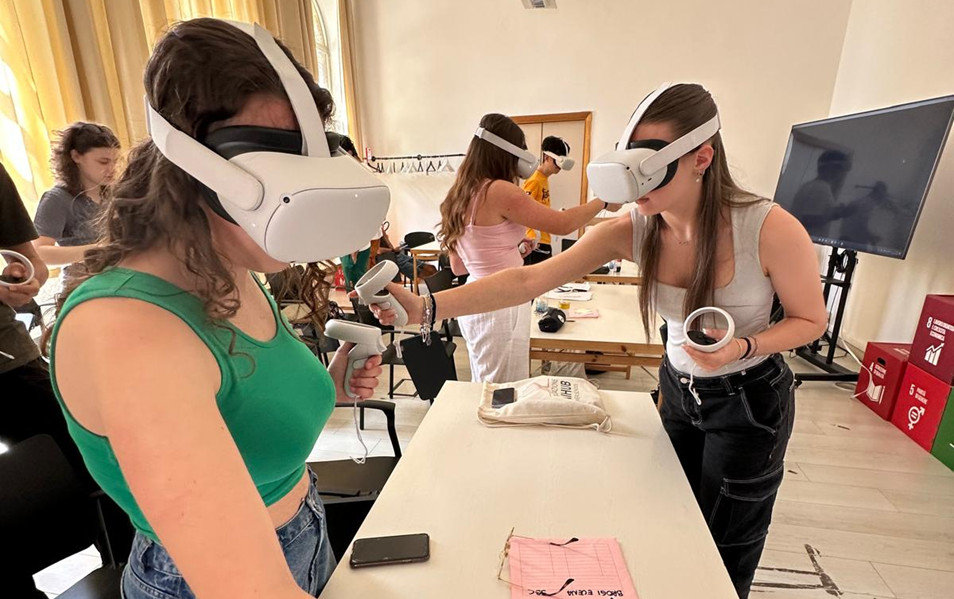
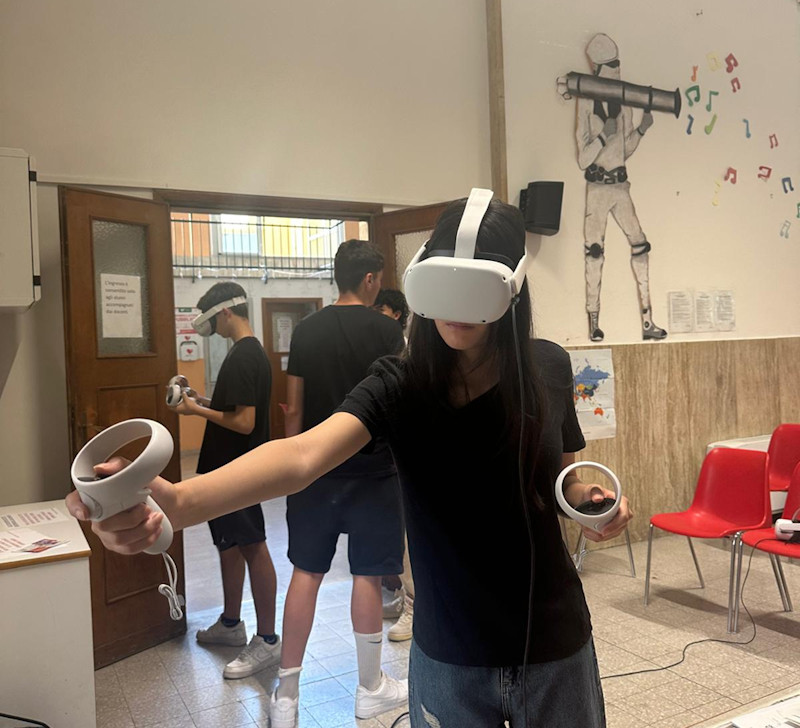
Some experimental training pathways have demonstrated that Augmented Reality can support not only task execution, but the development of awareness, analytical capacity, and professional growth. In a recent experience connected to a European project, the use of AR in training workshops did not only enhance operational learning, but also helped develop digital competence, reflective thinking, and a stronger sense of professional responsibility.
Yet a fundamental question remains: How can competencies learned through AR be assessed? How can we ensure that AR does not become merely a guided digital support, but a space for cognitive autonomy? How do we protect user data while monitoring performance and behavior? And above all, how can we ensure that Augmented Reality does not replace human thinking, but reinforces it?
The key lies in considering AR not as an automatic guide, but as a support for thinking better. Not for executing faster, but for reasoning more consciously. Not to simplify answers, but to help formulate better questions.
In this perspective, Augmented Reality does not just change how we learn, but redefines what it means to “learn” in professional contexts. It transforms learning from memorization to interpretation, from repetition to exploration, and from knowledge transmission to meaning-making.
Its future will not depend solely on technological evolution, but on educational vision. The most meaningful innovations will not be those that merely digitize traditional methods but those that use AR to rethink training as a dynamic, human, contextual and reflective process, capable of developing aware, responsible, and creative workers, ready to interpret—not simply execute—the work of the future.
References:
- Accenture (2023). Human-AI Collaboration in the Workplace: Designing Future Skills and Digital Ecosystems.
- Alcáni, M. & Gómez, V. (2022). Augmented Reality and Situated Learning in Technical Education: A Critical Review. Journal of Workplace Learning, 34(6), pp. 415–432.
- Bower, M. & Jong, M. S. Y. (2020). Immersive Virtual Reality in Education: A Systematic Literature Review. Educational Technology Review, 3(8), pp. 32–54.
- Dede, C. (2014). The Role of Augmented and Virtual Reality in Transforming Learning. Harvard Graduate School of Education.
- European Commission (2023). The Future of Learning in the Digital Age: Skills, Work and Society.
- Harvard Medical Simulation Lab (2022). Reflective Learning and Cognitive Awareness in Augmented Environments.
- Johnson, L., Becker, S. & Hall, C. (2021). Future Skills for Hybrid Work Environments.
- OECD (2022). Skills for Jobs: Reshaping Training in the Digital Transformation Era.
- Oxford Insights (2023). Cognitive Technologies in Professional Training: AI, AR and the Human Factor.
- PwC (2023). Seeing is Believing: AR and the Evolution of Learning.
- Stanford Virtual Human Interaction Lab (2023). Augmented Cognition and the Future of Work-Based Learning.
- World Economic Forum (2023). Future of Jobs Report.